YOUR SLEEP
Skin Patch Gets You Into 43Min Sleep Faster
A soft skin patch from UT Austin that pairs focused ultrasound with EEG cut time to REM sleep by 43 minutes and extended REM by about 16 minutes in 28 people, published in Nature Communications. Not on the market yet, and the control design is unclear.
Cool tech, but 28 people is a pilot study, not proof. I'd want a real sham-ultrasound control group before I'd try this myself.
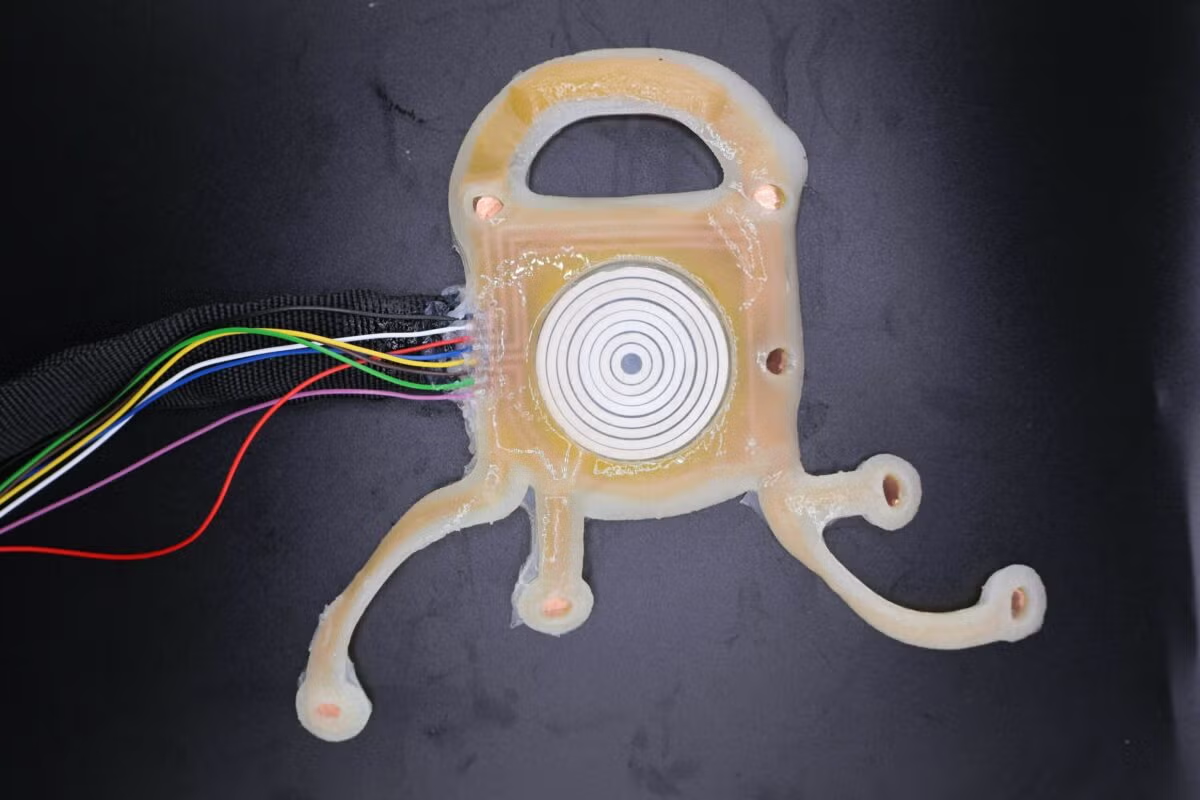
16 minutes of extra REM — on top of cutting time-to-REM by 43 minutes overall. Small trial, 28 people, no strong control group yet.

Mitochondria & Longevity
10 stories
Ten Different Healthy Diets All Tracked With Slower Biological Aging, and No Single One Won
About 7,500 people were scored against ten healthy diet patterns and three epigenetic clocks. All ten tracked with slower biological aging, the gaps between them were modest, and more than 70 percent of the pathways involved were shared.

The word mitochondria has nothing to do with energy. Which two roots built it?
Greek mitos, “thread,” plus khondrion, “little granule.” Carl Benda coined it in 1898 to describe what he could actually see down a microscope: threads and grains. The power-plant reputation arrived decades later, once anyone worked out what they did.
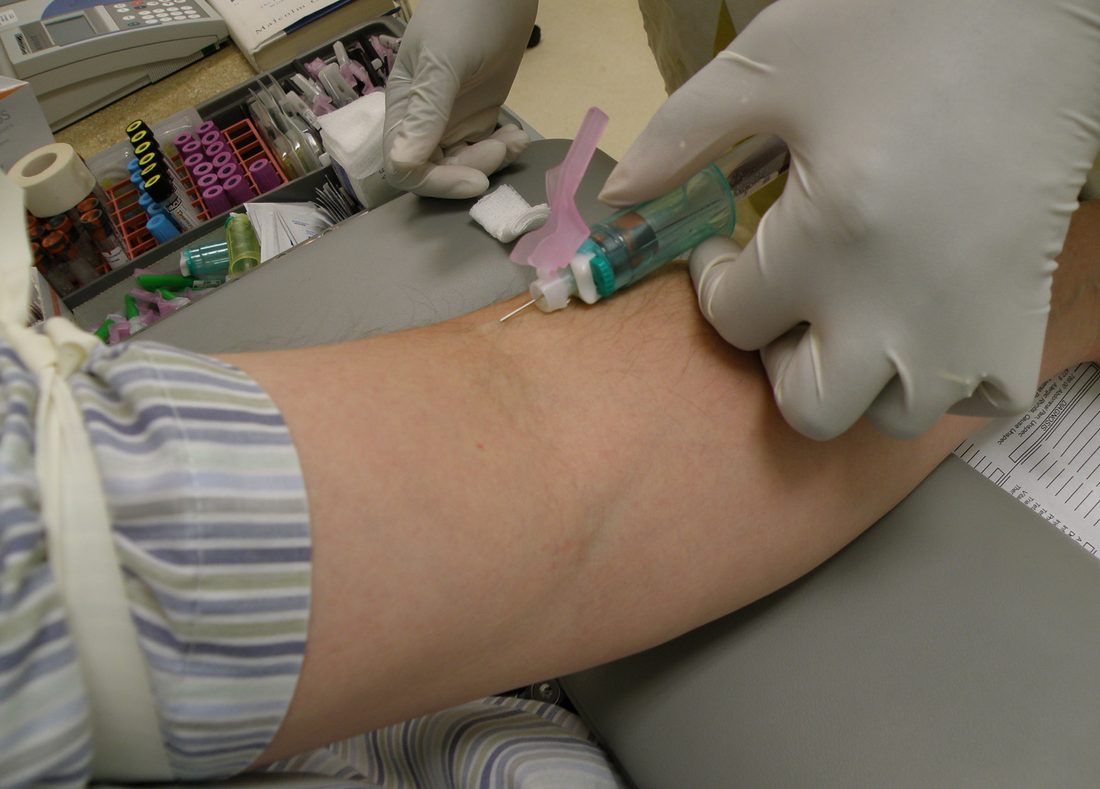
Europe's Cardiology Society Now Says Every Heart Disease Patient Should Get Two Kidney Tests
Once heart disease is diagnosed, run an eGFR blood test and a urine albumin test most patients have never been offered. A guideline for patients, not a screening call, and it recommends zero supplements.
Per Hour Swapped
91,292 People and 12 Years of Tracking Found the Real Problem With Sitting Is Never Getting Up
Wrist accelerometers, not surveys. Every extra hour of unbroken sitting tracked with a 9 percent higher cancer death risk, and swapping an hour for light movement with a 12 percent lower one. Observational, and reverse causation is a real concern.

The NAD+ Decline Everyone Assumes Isn't In The Blood
Both are true: the pills raise blood NAD+, and it was not dropping on its own. The authors conclude it is not a useful biomarker of aging.
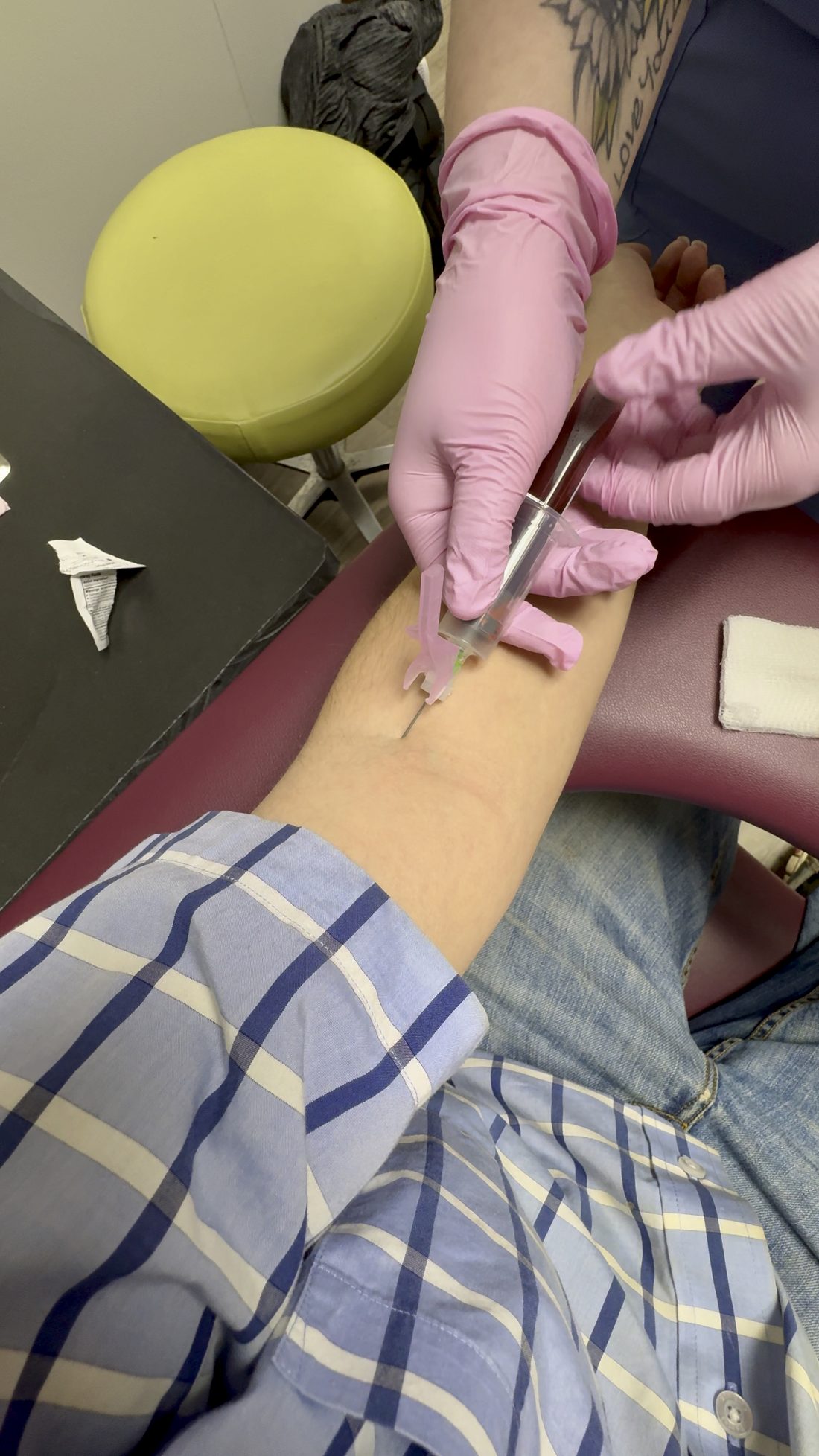
Eat the Food,
Skip the Capsule
The authors declined to pool the studies into a meta analysis, calling them too different to combine. Carotenoid rich food stays a good habit on its own; a capsule bought for sleep is not yet supported.
Ten Studies, One Cohort, and the Exposure Nobody Measured
The exposure being measured is year of birth, not sugar. Anyone born before September 1953 also lived through meat, egg and butter rationing. A separate team used the same cohort and method to find wartime blackouts cut mental disorder risk 21 percent. Same data, a conclusion nobody would defend.
I keep seeing these as ten separate findings. They are one natural experiment being re-run, and none of the ten measured a gram of sugar. When the next one lands, check whether it is the same cohort before you change anything.
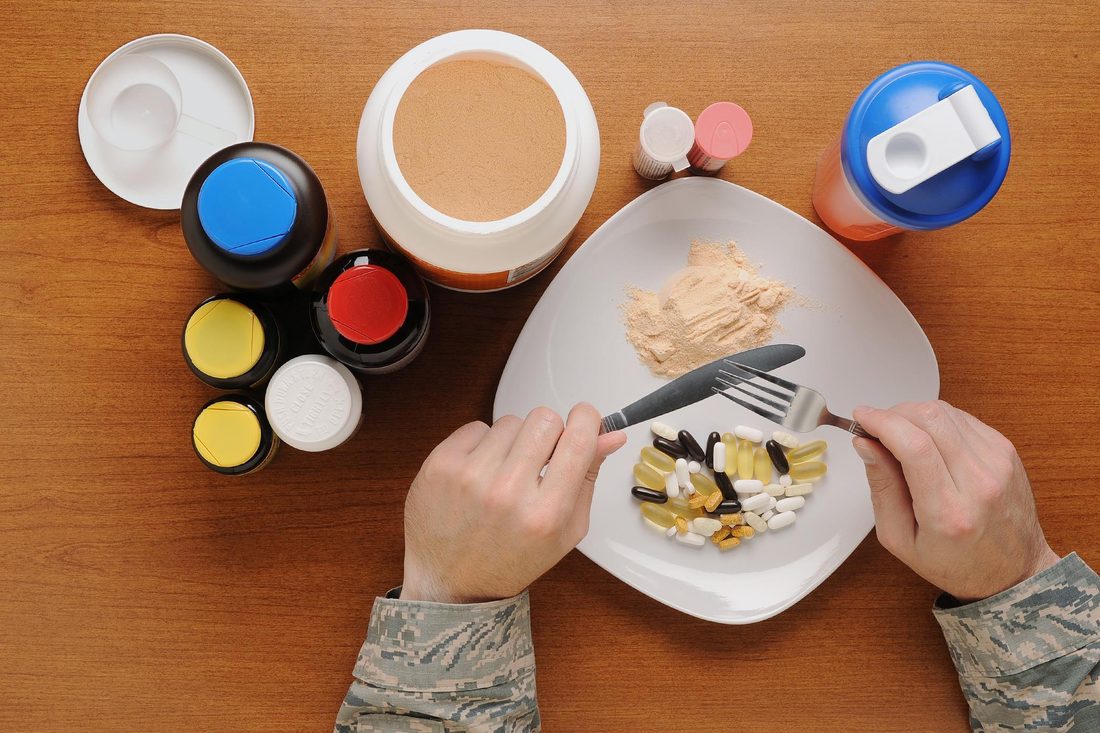
A Regulator Finally Put Numbers on NMN: 500 Milligrams, 12 Weeks, Oral Only
Australia's TGA now permits NMN only by mouth, at no more than 500 milligrams a day, for 12 weeks or less, in adults. NAD, NAD+ and NADH stay off the permitted list, and nothing here changes what is legal in the United States.
Keto Cut Liver Fat 67%, The Others 45
Fifty five adults were fed 100 percent of their food for five months. Everyone lost about the same 10 percent of body weight. The liver disagreed.
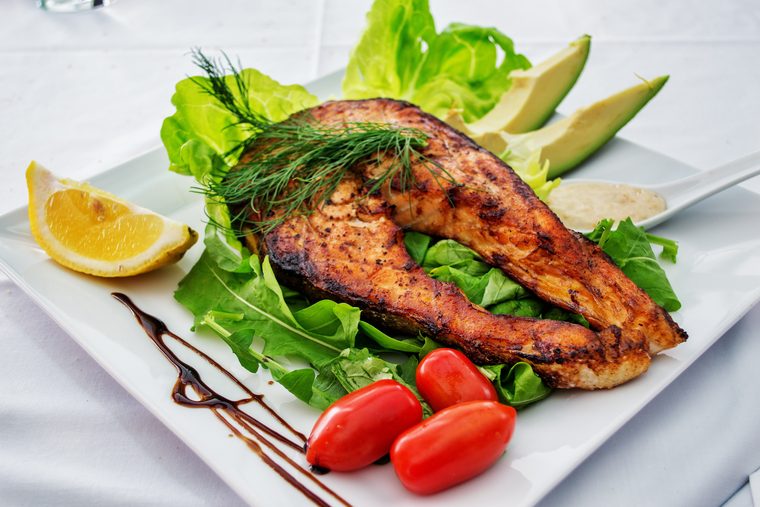
60 to 100 Grams a Day Is the Whole Grain Dose
A European Heart Journal meta analysis of 87 randomized trials in 6,529 people: benefits begin around 30 to 40 grams a day and show most clearly at 60 to 100. The trials tracked risk markers, not heart attacks.
Air Purifiers & Wildfire Smoke
5 stories
California Just Became the Fifth Wildfire Smoke Front of the 2026 Season
Spokane's Wildfires Destroyed 600 Structures, and the Smoke Is Now in Four Cities
The fires themselves caused major structural loss — the resulting smoke has since spread across four cities.

Idaho Just Became the Fourth Wildfire Smoke Front of the 2026 Season
Wildfire smoke is measured in particles about 30 times thinner than one of your hairs.
PM2.5 means particles 2.5 micrometers across or smaller. The EPA's own yardstick: an average human hair is roughly 70 micrometers wide, which makes it 30 times larger than the biggest particle that counts as fine. That size is exactly why the 700-mile story above is possible — particles that fine stay airborne long enough to cross several states.
Your Neighborhood's Heat and Air Pollution Tracked With Frailty, PTSD and Depression
Mount Sinai followed 18,734 people: more heat and air pollution outside the front door tracked with higher risk of frailty, PTSD and depression, and more green space with less. It measured outdoor air and never tested a purifier.

Gut Health
5 briefsYour Baby's Gut Bacteria Come From Your Gut, Not the Birth Canal
ADHD Came With Almost 50% More Gut Symptoms
23 studies, more than 1.9 million people. An association, and the review cannot separate ADHD from its medication, which can cause constipation.
The Compound in Spinach and Almonds That IBD Guts Cannot Clear
Crohn's patients carried more stool oxalate on similar plant intake, and in colitis mice added oxalate cut survival 60 percent. Not yet a recommendation, even for IBD.
Probiotic use jumped 287 percent while fiber intake went the other way
The word salary really does trace back to salt. The famous part of the story — that Roman soldiers were paid in it — is much shakier than it sounds.
Salary does descend from Latin salarium, and salarium does sit on sal, salt — that half holds up. The famous part is shakier. The standard Latin dictionary reports salarium as “said to be originally salt-money, soldier's allowance for the purchase of salt” — and “said to be” is doing a great deal of work in that sentence. It is a report of a tradition, not a documented payroll practice. The salt is real. The soldiers being handed it are a story that has been repeated until it started to sound like evidence.
Sorbitol Is One Chemical Step From Fructose, and Your Gut Bacteria Stand in the Way
Washington University researchers found that when the gut bacteria that clear sorbitol were depleted, it reached the liver, turned into fructose and raised fat deposition. Every result so far is from mice.
Heat, Light & Recovery
3 storiesOne Sauna Session Floods Your Blood With Immune Cells
A single sauna session triggered a measurable surge in circulating immune cells, study finds.

Summer Sunlight Doesn't Fix Vitamin D Deficiency in Older or Minoritized Ethnicity Adults

Sun exposure alone wasn't enough to close the gap in this study population.
Every time you train a muscle, you are working a little mouse.
Latin musculus is the diminutive of mus, mouse — so called because the shape and movement of some muscles, the biceps especially, were thought to look like a mouse moving under the skin. The image was not a one-off. Greek mys meant both mouse and muscle, German Maus covers both, and Cornish went further still: the calf was logodenfer, the mouse of the leg.
Cold Plunging Helps You Feel Recovered, Not Perform Better, a 30 Trial Review Finds
A pooled review of 30 randomized trials found cold water immersion modestly eases soreness but does nothing for jump power or strength, and plunging right after training made jump performance significantly worse.

Peptides
2 storiesPharmacokinetics is what your body does to a drug — not what the drug does to you.
The mirror image has its own name, pharmacodynamics. Pharmacokinetics follows four stages: absorption, distribution, metabolism, excretion. It is also the reason the FDA's own scientists could accept that a peptide does something interesting in a dish and still decline to wave it through. Knowing a compound has an effect is not the same as knowing where it goes, how long it stays, or what a human body turns it into.
Semaglutide Added 100 Days to Old Mice, Then Beat Eating Less At Its Own Game
UC Berkeley started semaglutide in 20 month old female mice and added about 100 days of median lifespan, then compared it against a matched 24 percent calorie restricted diet. Female mice only, and nothing yet about human lifespan.

The new pill won — but nearly 1 in 10 people quit early from GI side effects, roughly double the dropout rate of oral semaglutide. Efficacy isn't the whole story.
Skincare & Supplements
6 stories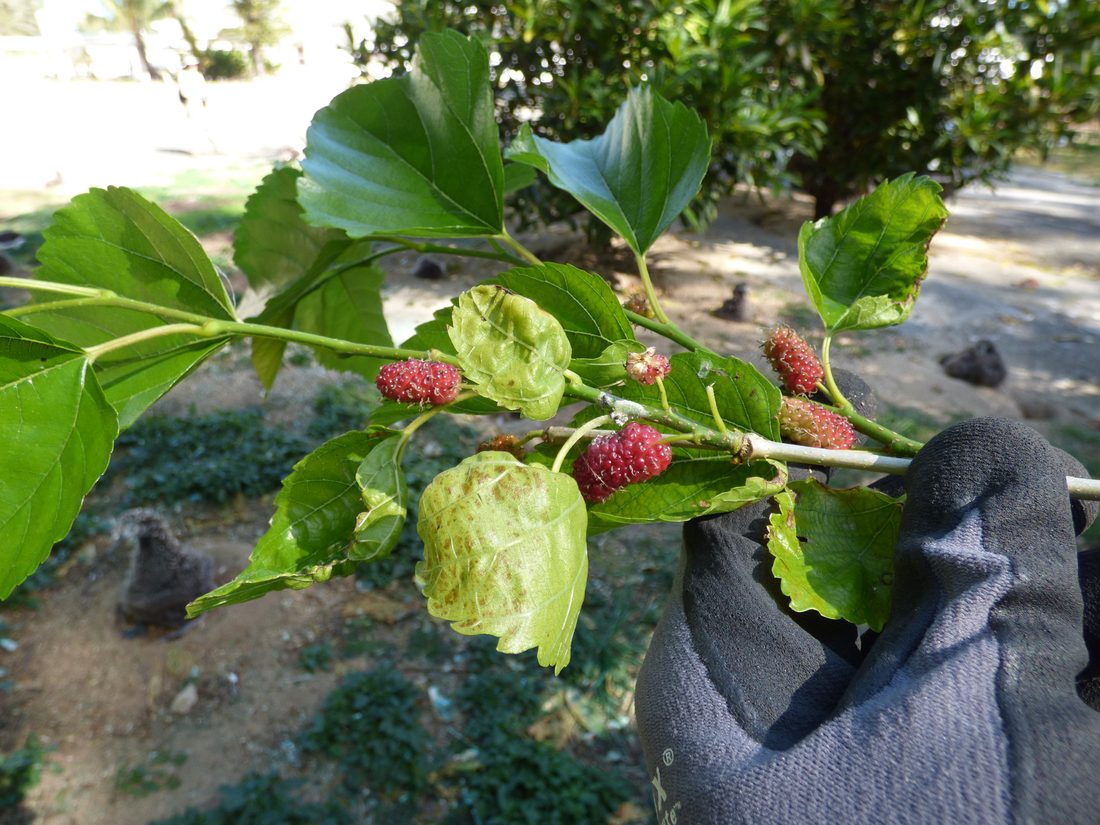
A 93 Person Trial Raised Insulin Sensitivity 28%, and Nobody Can Say Which Ingredient Did the Work
A 12 week trial in 93 adults with obesity found berberine, white mulberry leaf and chromium together raised insulin sensitivity 28 percent over placebo. It had no single ingredient arms, and EFSA has not set a safe daily intake for berberine.
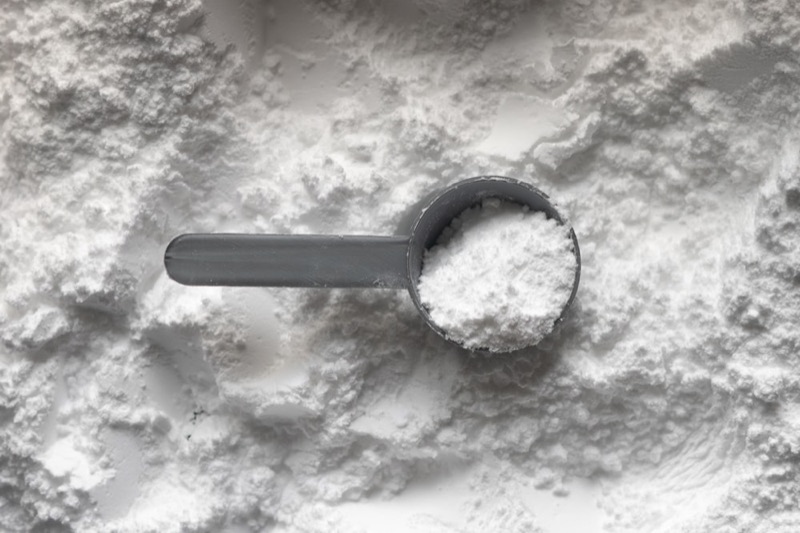
You are sitting in a bright sunny window. Are you making vitamin D?
The NIH is blunt about it: “UVB radiation does not penetrate glass, so exposure to sunshine indoors through a window does not produce vitamin D.” Synthesis needs UVB at roughly 290 to 320 nanometres landing on uncovered skin. Glass blocks that band while still letting through all the light and warmth that make the window feel like real sun — which is precisely why the myth survives.
More Than a Thousand Food Ingredients Were Never Submitted to the FDA at All
Since 1958 a company could decide on its own that a new food ingredient was safe and never tell the agency. On August 11 the FDA proposed making that notification mandatory.
ALL 212 Plant Based Products Tested Carried a Fungal Toxin, and Every One Was Legal
A UK shelf survey of vegan burgers, sausages and plant milks found at least one mycotoxin in every product, and every measured level below EU guideline limits. The compounds turning up most often are emerging toxins with no regulatory limit at all. The lead researcher says the gap is monitoring, not danger.
This is the kind of result that gets screenshotted as “vegan food is full of toxins”. Every level here was under the legal limit. The interesting part is the toxins that have no limit at all, which is a monitoring gap, not a reason to change lunch.
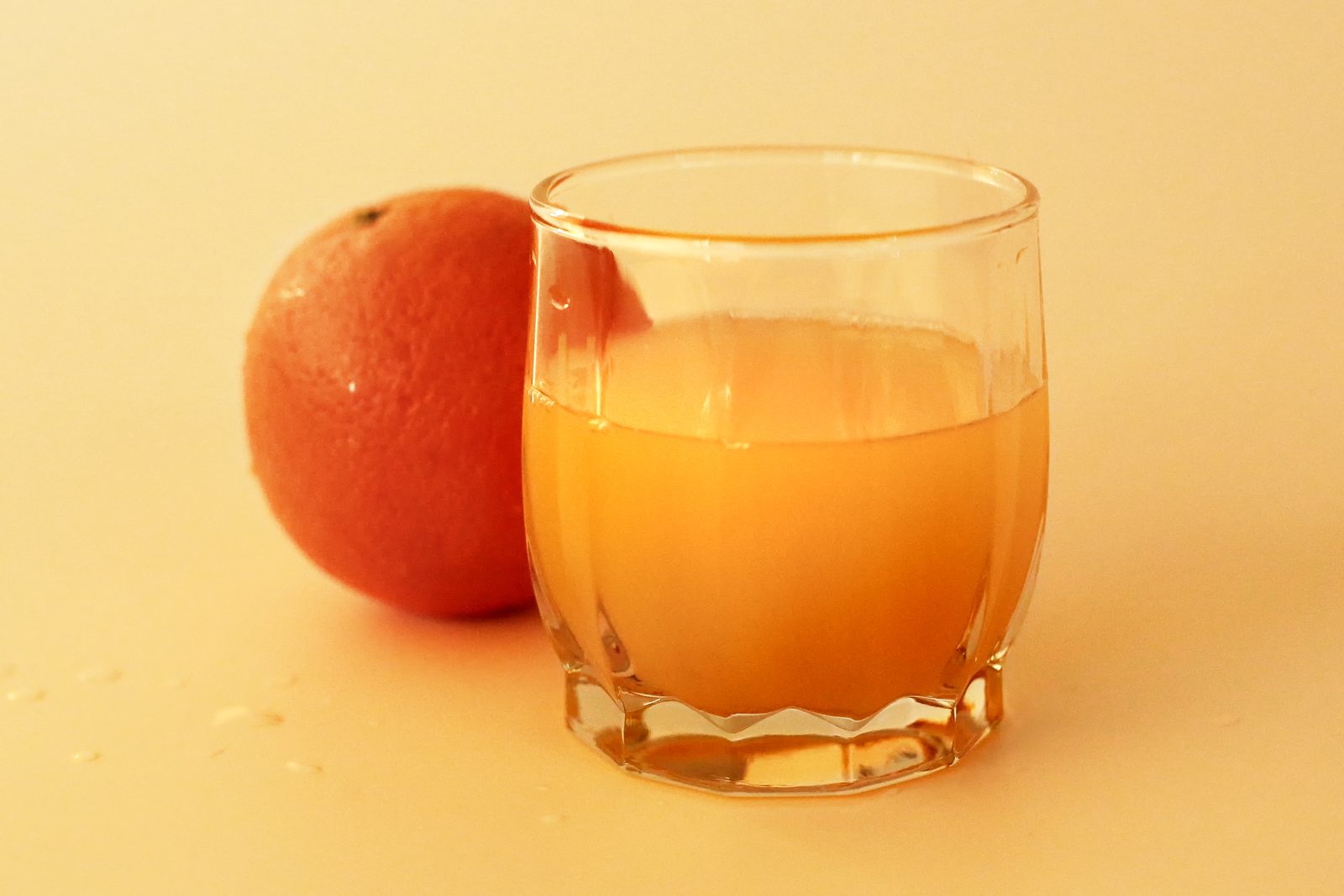
An Orange Juice Study Found No Heart Benefit. Its Press Release Suggested One.
Orange juice, a sugar matched control drink and that drink with added hesperidin: the compounds were absorbed and gene expression shifted, but blood pressure and vessel function did not measurably improve.
A Bill in Congress Could Put an Expiry Date on the Rule That Killed NMN and NAC
The Dietary Supplement Innovation Act would let drug preclusion lapse after seven years of abandoned drug development, count only Phase 2 and Phase 3 trials, and put the burden of proof on the FDA in court. It is an introduced bill, not a law, and most bills die quietly.
Wearables
1 story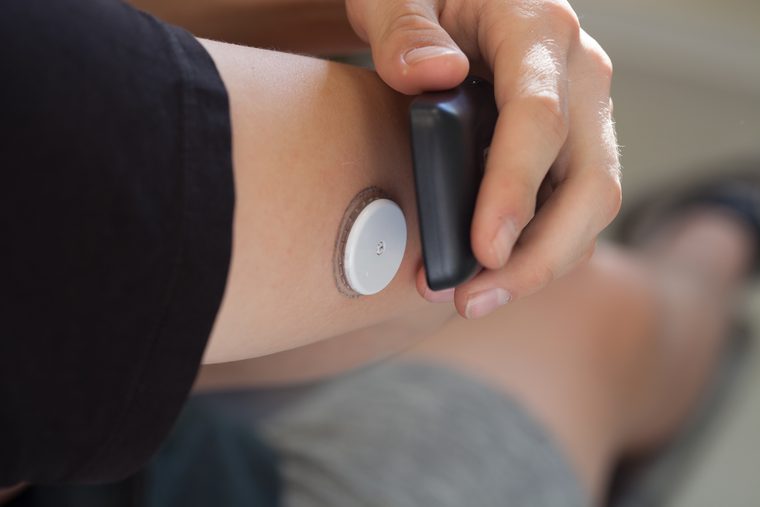
The FDA Just Cleared the First Wearable That Tracks Ketones Around the Clock, and It Was Not Built for Keto Dieters
Abbott's Libre Duo 10 Day just became the first wearable authorized to track glucose and ketones together in real time. Here is what it was actually built to detect, and why chasing nutritional ketosis with it will be an off label use.
Signal Check
You're Caught Up.
Today's issue, complete.
This edition updates whenever there's something worth adding.
Take a Signal Break
Today's games · no edition requiredStay Curious.
Better health isn't found in a single article. It's built through curiosity, evidence, and small discoveries over time. Join thousands exploring longevity, gut health, recovery, nutrition, and the tools that truly make a difference.